Hands-On Botox and Filler Training for Licensed Clinicians in Mystic, CT
Empowering the Next Generation of Aesthetic Practitioners
Master the Art and Science of Aesthetic Enhancements
Neuromodulator and Dermal Filler Training, Built On Anatomy
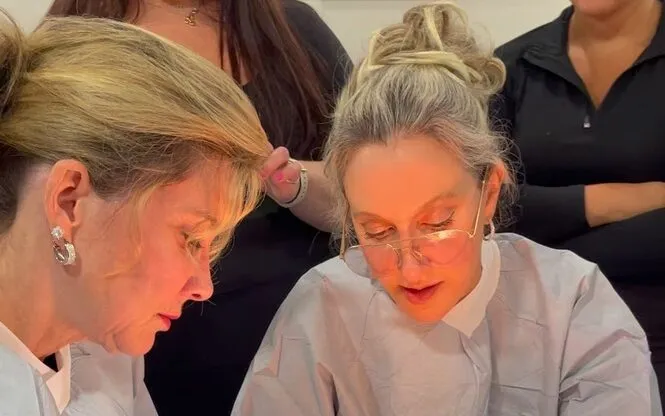
At Coastal Aesthetic Training Institute, we offer an Immersive, hands-on curriculum designed to empower you with the knowledge and practical experience to excel in the aesthetic field. Under the tutelage of industry experts and with access to cutting-edge techniques, our program equips you to transform your career, helping you become a skilled practitioner in one of the most exciting and fast-growing industries.
From foundational learning to advanced procedural techniques, you’ll receive comprehensive training that combines anatomy, clinical skills, and the latest industry insights, ensuring you are set up for success in your career.

Three Pillars of Training: Didactic, Anatomic & Clinical
At Coastal Aesthetic Training Institute (CATI), we prepare you for success with a comprehensive approach built on three essential pillars of learning. Our program is designed to equip you with the knowledge, precision, and hands-on experience needed to thrive in the world of aesthetic medicine.
Ready to Advance Your Career? Enroll Today.
View Our Courses1.
Didactic Training: The Science of Injectibles
Dive deep into the science and principles of injectable treatments, laying a strong foundation for safe and effective practice.
2.
Anatomic Training: Cadaver Dissection and Injection
Engage in unparalleled cadaver workshops that allow you to study and work with real anatomical structures—developing the precision and understanding necessary for safe, effective treatments.
3.
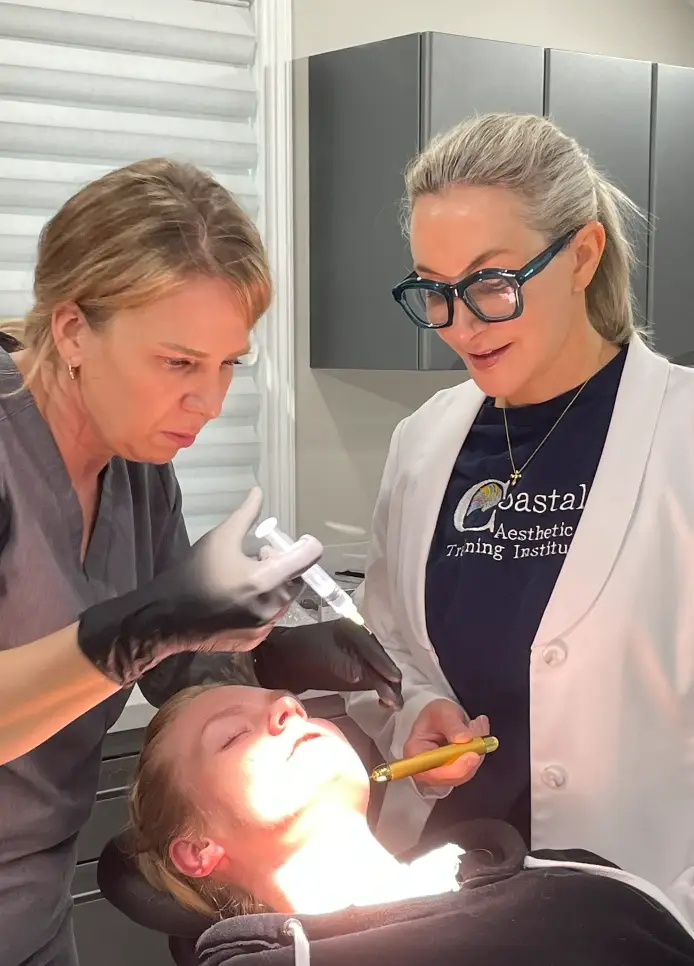
Clinical Training: Supervised Live Model Injections
Refine your skills in clinical settings, with direct mentorship from expert instructors. Through this hands-on training, you’ll gain the confidence to perform treatments on patients with professionalism and care.
Our approach ensures you leave not only with theoretical knowledge but also the practical experience needed to succeed in one of the most exciting and fast-growing fields.
Take the First Step Toward Mastering Aesthetic Medicine.
Secure Your Spot – Enroll NowLearn from a Board-Certified Plastic Surgeon and an Aesthetic PA-C
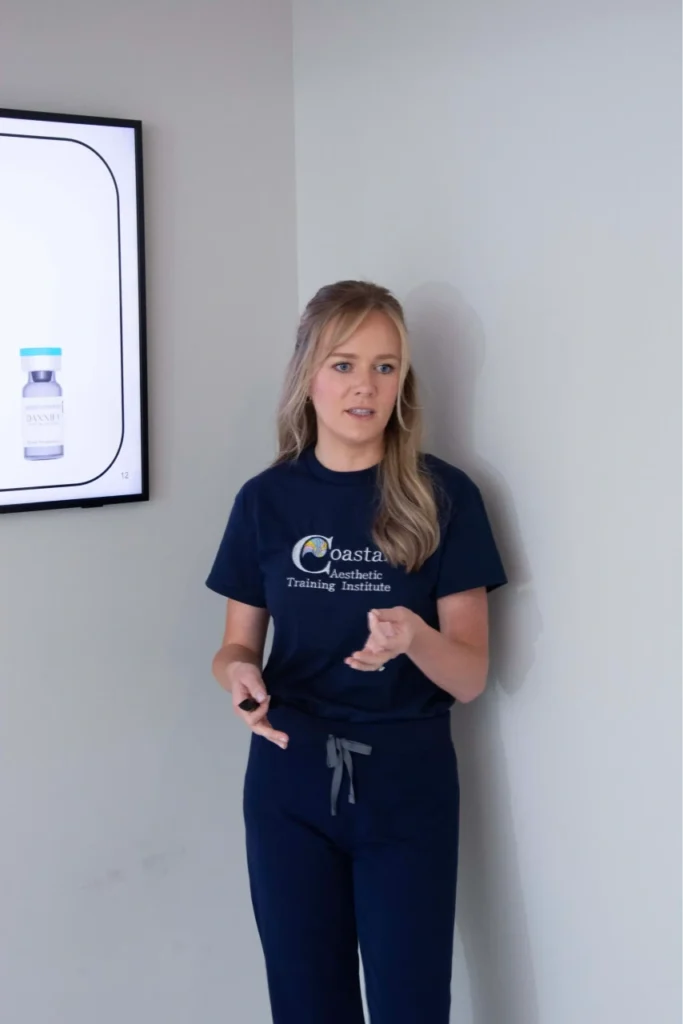
Meet Our InstructorsAt CATI, we believe in the power of expert mentorship and real-world experience. Our instructors are leaders in the field of aesthetic medicine, each bringing years of hands-on practice and a deep commitment to teaching. They don’t just train—they inspire and guide, ensuring that every student walks away with the knowledge, skills, and confidence needed to excel in this dynamic industry.
Learn from the Best in the Industry. Begin Your Journey Today.
Meet Our Experts – Start LearningBotox and Filler Courses for New and Experienced Injectors
Our curriculum is thoughtfully designed to empower medical professionals with the expertise, confidence, and hands-on experience needed to excel in aesthetic medicine. Each course provides in-depth knowledge and practical skills, ensuring students are equipped to perform treatments with precision and care.
Foundations of Aesthetic Injections
Foundations of Aesthetic Injections
Your First Step into Aesthetic Medicine
This comprehensive course is perfect for beginners looking to build a strong foundation in injectable treatments. Often referred to as a “bootcamp,” it covers the essentials to help you start your journey as an aesthetic injector.
What You’ll Learn:
- Core principles of injectable medicine, including product selection and patient safety.
- Introduction to facial anatomy and aging, with a focus on recognizing and avoiding danger zones.
- Hands-on training with live models to master the fundamentals.
Begin Your Journey into Aesthetic Medicine.
Advanced Master Courses
Advanced Master Courses
Advanced Techniques for Natural Results
This course dives deep into hyaluronic acid fillers, helping you refine your skills to deliver customized, natural-looking results.
What You’ll Learn:
- The science of filler rheology and selecting the right product for each treatment area.
- Advanced injection techniques for contouring, volume restoration, and lip enhancement.
- Best practices for managing complications and exceeding patient expectations.
Refine Your Skills and Achieve Natural Results.
Refresher Course
Refresher Course
Precision and Expertise in Every Treatment
Focused on neuromodulators, this course equips you with the knowledge and skills to achieve optimal results tailored to each client’s needs.
What You’ll Learn:
- In-depth understanding of neuromodulator products and their applications.
- Techniques to effectively treat wrinkles, lines, and signs of aging with precision.
- Consultation strategies to create customized treatment plans and build patient trust.
Master Precision Techniques and Enhance Patient Results.
Cadaver Anatomy and Live Models in Every Course
All courses feature cadaver anatomy and live model training, providing unparalleled opportunities to practice under the guidance of seasoned experts. With a balance of theoretical knowledge and hands-on learning, you’ll gain the confidence and skills to excel in the dynamic field of aesthetic medicine.
Hear What Our Clients Have To Say
Discover why medical professionals choose Coastal Aesthetic Training Institute for advanced, hands-on education that equips them with the skills and confidence to excel in aesthetic medicine.


Lorem ipsum dolor sit amet, consectetur adipiscing elit, sed do eiusmod tempor incididunt ut labore et dolore magna aliqua. Ut enim ad minim veniam, quis nostrud exercitation ullamco laboris nisi ut aliquip ex ea commodo consequat. Duis aute irure dolor in reprehenderit in voluptate velit esse cillum dolore eu fugiat nulla pariatur. Excepteur sint occaecat cupidata.

Lorem ipsum
Lorem ipsum dolor sit amet, consectetur adipiscing elit, sed do eiusmod tempor incididunt ut labore et dolore magna aliqua. Ut enim ad minim veniam, quis nostrud exercitation ullamco laboris nisi ut aliquip ex ea commodo consequat. Duis aute irure dolor in reprehenderit in voluptate velit esse cillum dolore eu fugiat nulla pariatur. Excepteur sint occaecat cupidata.
Lorem ipsum
Join Hundreds of Successful Practitioners—Start Today!"
Explore All CoursesReserve Your Seat at an Upcoming Course in Mystic, CT
Take the next step toward mastering aesthetic medicine by enrolling in our courses, where you'll receive personalized training and support every step of the way!
Speak with Our Team