Aesthetic Training for Medical Professionals: 2026 Certification Guide
As the field of medical aesthetics continues to evolve, the demand for well-trained professionals is on the rise. Aesthetic training programs are crucial for medical professionals seeking to enhance their skills in areas such as injectables, laser therapy, and skin rejuvenation. This complete guide provides an in-depth overview of aesthetic training programs available in 2026, detailing certification requirements, clinical expertise development, and the structure of training programs. It addresses the challenges medical professionals face in navigating these offerings and highlights the importance of selecting accredited programs for career advancement. With insights into current market trends and opportunities in the aesthetic field, this article empowers medical practitioners to make informed decisions about their professional development.
In this guide, you will explore the certification process, the types of training available, and how to ensure you are adequately prepared for your aesthetic career. Key sections include discussions on the various eligibility requirements for aspiring aesthetic practitioners, how to enroll in programs, and the career benefits associated with obtaining aesthetic training certifications.
Certification Requirements
To embark on a career in aesthetic medicine, understanding the certification requirements is paramount. Medical professionals must undergo specific training to gain necessary credits and accreditations that can enhance their credentials and marketability. Accreditation by recognized bodies is essential, as it assures quality and rigor in training practices, impacting overall professional credibility. In 2026, these courses often include Continuing Medical Education (CME) credits, reinforcing the importance of continuous learning in this dynamic field.
In conclusion, pursuing accredited training not only enhances your skill set but also solidifies your standing in the competitive aesthetic marketplace.
Clinical Expertise Development
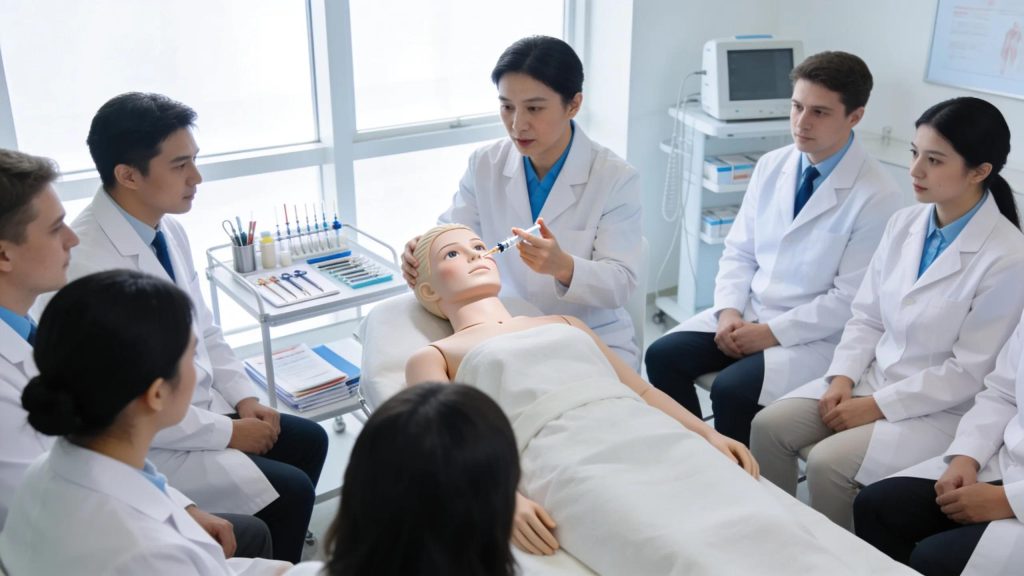
Clinical expertise in aesthetic medicine is developed through a combination of didactic learning and hands-on training. Aesthetic training programs prioritize skills acquisition through interactive methods, including direct mentorship, which allows trainees to observe and practice in a controlled environment. Such immersive experiences are crucial for mastering techniques associated with injectables and laser therapies, enabling practitioners to deliver safe and effective patient care.
Hands-On Training Importance

Hands-on training is vital in aesthetic education. This practical component allows learners to apply theoretical knowledge in real-world scenarios, which significantly boosts confidence and skill proficiency. Opportunities for mentorship with experienced practitioners can further deepen this learning experience, providing insights that are invaluable in clinical settings.
Didactic Training Completion
Didactic training, which typically occurs in a classroom environment, covers essential theories and methodologies related to aesthetic procedures. This foundational knowledge is combined with the practical skills needed for successful patient interactions and procedural accuracy, forming a well-rounded education essential for aspiring aesthetic professionals.
Structure of Training Programs
Aesthetic training programs are structured to provide a comprehensive blend of theory and practice. The organization of these programs typically considers various factors, including class size and instructor-to-student ratios, which are essential for effective teaching and learning. Additionally, many programs offer a diverse range of courses that cater to different skill levels, from beginner to advanced practitioners.
Class Size and Instructor Ratios
Smaller class sizes enable personalized attention, fostering a more conducive environment for learning complex aesthetic techniques. Institutions often maintain low instructor-to-student ratios to ensure that every learner receives adequate guidance and support.
Course Offerings
The range of courses available is vast, addressing various aspects of aesthetic practice. From foundational courses in basic injectables to more specialized training in advanced laser procedures, training programs are designed to meet the needs of diverse professionals seeking to expand their skill set in the aesthetics field.
Focus on Safety and Complication Management
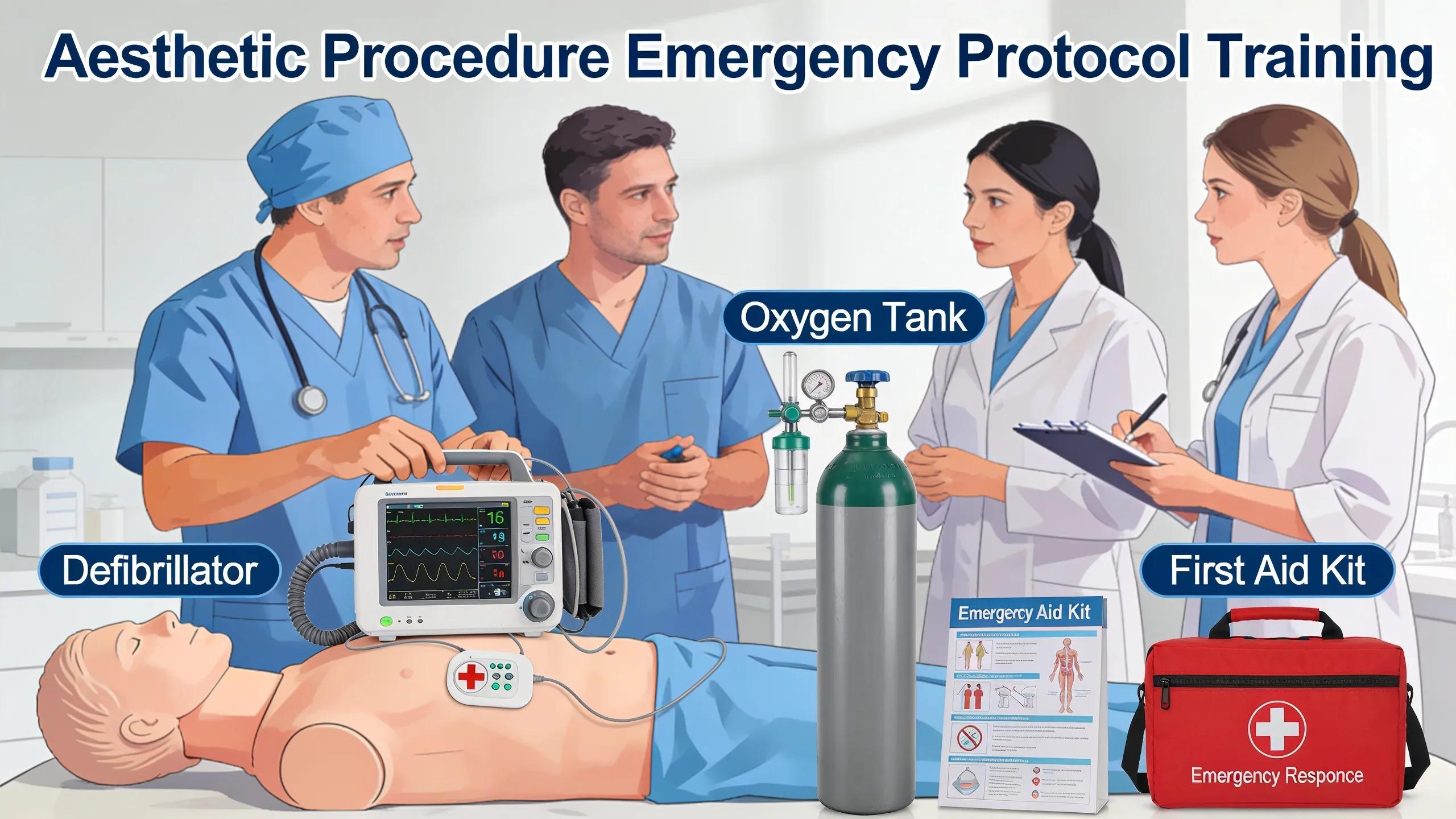
Safety is of utmost importance in aesthetic training. Training programs equip students with knowledge about potential complications that may arise during procedures, teaching them to recognize and manage such issues effectively. In 2026, programs emphasize the importance of emergency protocols and the understanding of high-risk areas in aesthetic practices.
Emergency Protocols Training
Understanding emergency protocols is crucial for any practicing aesthetician. Courses typically cover the necessary steps to take in various emergency situations, ensuring that practitioners are prepared to respond quickly and efficiently.
Patient Safety Emphasis
The emphasis on patient safety during training is paramount. Programs are designed to instill a strong foundation of safety practices that practitioners must adhere to, fostering a culture of care that prioritizes optimal outcomes for every patient.
Essential Aesthetic Training Programs for 2026
In 2026, several key aesthetic training programs offer medical professionals a pathway to enhance their skills in aesthetic medicine. Courses typically cover injectables, laser therapy, and skin rejuvenation, providing comprehensive preparation for careers in this growing field.
Which Courses Cover Injectables, Laser Therapy, and Skin Rejuvenation?
Key programs include:
- Injectables Courses: Focus on administering botulinum toxin and dermal fillers, ensuring practitioners understand anatomy, dosage, and technique.
- Laser Therapy Training: Teaches the principles of laser physics and skin types, emphasizing safe and effective laser usage.
- Skin Rejuvenation Programs: Cover procedures like chemical peels and microdermabrasion, equipping practitioners with rejuvenation techniques to treat varied skin conditions.
How Are Hands-On and Online Training Modalities Structured?
The modality of training often varies, with some institutions providing both hands-on and online options. Each modality offers unique benefits:
- Hands-On Training: Offers direct patient interaction and practice under supervision.
- Online Training: Provides flexibility and accessibility, allowing participants to learn at their own pace while still covering essential theoretical knowledge.
How Do Certification and Accreditation Processes Work in 2026 Medical Aesthetic Training?
The certification process involves several steps, including completion of approved coursework and passing requisite examinations. Accreditation in the aesthetic training field maintains educational standards, ensuring that programs meet industry guidelines.
What Are the Recognized Certifications for Advanced Aesthetic Practitioners?
In 2026, several recognized certifications exist for advanced practitioners, including:
- Certified Aesthetic Nurse Specialist (CANS): A certification that indicates a nurse’s expertise in aesthetic practices.
- Board Certification by the American Academy of Aesthetic Medicine: Recognizes comprehensive preparation in aesthetic medicine across various procedures.
How Long Is the Certification Process and What Are the Requirements?
Typically, the certification process requires several weeks to months, depending on the program’s structure and the individual’s prior experience. Requirements generally involve a combination of course completion, clinical practice hours, and written examinations.
Who Is Eligible and How to Enroll in 2026 Aesthetic Training Programs?
Eligibility for aesthetic training programs typically includes holding a relevant medical or healthcare professional license. Enrollment procedures are designed to ensure that prospective students understand the requirements needed to pursue advanced practitioner courses.
What Medical Professionals Qualify for Advanced Aesthetic Practitioner Courses?
Qualified professionals often include physicians, physician assistants, nurses, and other licensed healthcare providers. The diversity in eligible applicants reflects the varying educational backgrounds and specialties that contribute to comprehensive patient care in aesthetics.
What Is the Step-by-Step Enrollment Process Including Deadlines?
The enrollment process usually involves submitting a formal application, including proof of licensure, and sometimes requires an interview. Deadlines vary by institution, so prospective students should familiarize themselves with specific dates to ensure timely enrollment.
What Are the Career Benefits and Market Trends for Medical Aesthetic Training in 2026?
The aesthetic medicine field is characterized by growth, with increasing demand for trained professionals. Aesthetic training significantly enhances career opportunities, as medical professionals equipped with aesthetic certifications tend to command higher earnings and enjoy increased job security in a competitive market.
Insights into current trends highlight the continuous evolution of medical education in non-surgical aesthetics.
Trends in Non-Surgical Aesthetic Medical Training
The present systematic review aims to analyze current trends in medical education to develop knowledge, skills, and professional identity formation in non-surgical aesthetics. A systematic review on the current trend in nonsurgical aesthetic training for knowledge, skill, and professional identity formation, N Kumar, 2022
How Does Certification Impact Professional Advancement and Patient Outcomes?
Certification in aesthetic medicine directly influences both career advancement and patient outcomes. Certified professionals often experience greater job opportunities, higher salaries, and enhanced patient trust, ultimately leading to improved patient satisfaction and care.
What Are the Current Industry Trends Driving Demand for Injectable and Laser Training?
Recent trends include:
- Increased Patient Demand: Growing popularity of aesthetic procedures among various demographics.
- Technological Innovations: The introduction of new laser treatments and injectable products.
- Regulatory Changes: Advocacy for higher standards in aesthetic training and practice regulation.
The rising demand for aesthetic procedures underscores the critical need for regulated training and certification to safeguard patient well-being.
Aesthetic Training Programs: Regulated Certification and Patient Safety
The growing demand for aesthetic procedures leads to an influx of providers entering the field, many of whom lack formal training in aesthetic medicine. The absence of standardized education and certification poses significant risks to patient safety, including improper technique, adverse complications, and unethical practice. Without clear regulatory oversight, nonmedically trained individuals and inadequately trained healthcare professionals offer aesthetic treatments, leading to inconsistent outcomes and diminished public trust in the field. This article examines the urgent need for regulated training and certification to establish competency benchmarks and ensure The need for regulated training and certification for providers entering into aesthetic medicine, 2026
What Frequently Asked Questions Address Enrollment, Curriculum, and Certification in 2026?
Understanding the ins and outs of aesthetic training can be overwhelming. Common inquiries often revolve around program specifics and overall expectations.
How Long Are the Programs and What Is the Curriculum Scope?
The duration of aesthetic training programs varies widely, with most ranging from a few weeks to several months, depending on the course. Curricula typically cover both theoretical knowledge and practical application of aesthetic techniques related to injectables and laser treatments.
Are Training Programs Accredited and Do They Offer Continuing Education Credits?
Many training programs are accredited and offer CME credits to ensure that professionals remain updated on current best practices. Accreditation bolsters the value of the training received, further enhancing the practitioner’s qualifications in the field.
What Do Testimonials and Success Stories Reveal About 2026 Aesthetic Training Outcomes?
Alumni from aesthetic training programs often report positive experiences and career advancements post-certification. These success stories reflect the value and impact of comprehensive aesthetic training on individual careers and the overall quality of patient care.
What Experiences Do Alumni Report Regarding Skill Development and Career Impact?
Graduates frequently highlight the significant skills gained through rigorous training, which have led to improved career prospects and expanded professional networks within the aesthetic community.
How Do Patient Safety and Clinical Confidence Improve After Certification?
Post-certification, practitioners often demonstrate enhanced confidence in their abilities to perform procedures, reflective of their comprehensive understanding of patient safety and the technical skills necessary for successful outcomes in aesthetic practices.